immersive Trauma Training
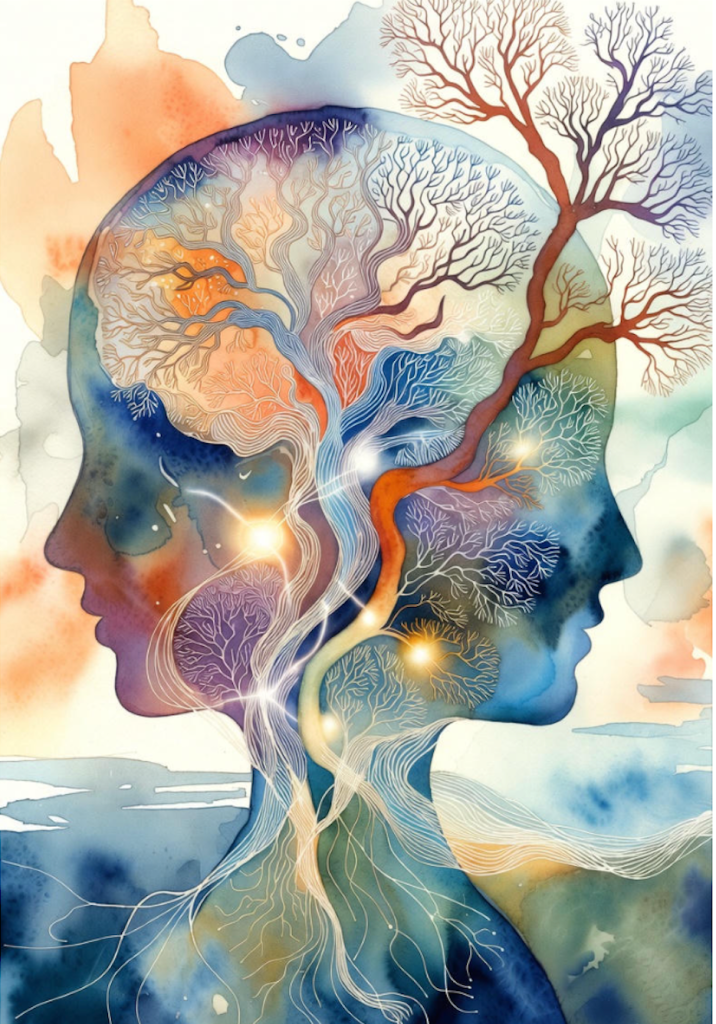
Trauma Training: Trauma and the Nervous System
Applying Relational Neuroscience to Clinical Practice for Connection, Integration, and Change.
42 CE Hours
2026-Portland Area $995
2027-Portland Area and Brainerd, MN $1295
Trauma and the Nervous System has been approved by NBCC for NBCC credit. Kimberly Dudley Counseling, LLC is solely responsible for all aspects of the program. NBCC Approval No. SP-5243
─
Kimberly Dudley,
Doctoral Candidate (CES), LMHC, LPC, NCC
KimberlyDudleyvcc@gmail.com
971-350-8439
Immersive relational neuroscience training
Overview:
We’ve created a data-driven training that explores the impact of trauma on the nervous system while highlighting the importance of attuned therapeutic presence.
Real humans, real connections.
Our work is rooted in interpersonal neurobiology and is the application to clinical practice known as relational neuroscience. In our immersive training, participants learn practical strategies to support connection, integration, and regulation in their clients through experiential and applied frameworks. We focus on the unique lived experience of practitioners and the meaning we make of our own stories. This insight into our own stories equips clinicians to create safe, transformative therapeutic experiences that promote lasting intra- and interpersonal change for clinicians and clients alike.
Discovering how trauma shapes the nervous system and how relational neuroscience guides healing in therapy, we offer practical tools and insights to help clinicians foster connection, regulation, and integration with their clients. Our focus is presence and attunement with a strong emphasis on understanding the neurobiological processes in the human body. We don’t teach theory, we teach relationship.
Course Descriptions and Learning Objectives
- Describe the Effects of Trauma on Nervous System Functioning and Emotional Regulation.
- Describe how trauma affects the nervous system, attachment, and relational capacity
- Recognize the neurobiological underpinnings of dysregulation, hyper- and hypo-arousal, and relational disconnection
- Identify indicators of autonomic dysregulation in clients
- Explain Key Principles of Interpersonal Neurobiology (IPNB) Relevant to the Counseling Relationship.
- List the nine domains of integration
- Discuss the relationship between brain, body and mind
- Summarize the impact of attunement and attachment in the therapeutic relationship
- Discuss neuroplasticity in the context of lived experience
- Describe Insight and Awareness of Therapists’ Lived Experience and Professional Identity.
- Explore therapists’ implicit and explicit factors of presence
- Elective and non-elective factors of identity
- Professional identity formation
- Apply Attuned Therapeutic Presence to Support Client Safety, Connection, and Regulation.
- Cultivate clinician attunement, presence, and embodied awareness in clinical practice
- Tenets of relational attunement to foster trust, connection and safety
- Promote Connection and Integration.
- Implement techniques for co-regulation, attunement, and integration
- Explore adaptive coping strategies as well as rupture and repair sequencing in trauma-affected clients
- Implement Relational Neuroscience-Informed Interventions to Promote Integration and Therapeutic Change.
- Sandtray exercises, non-dominant hand drawing, and collage work
- Prosodic vocalizations, indigenous drumming, and rhythms
- Apply experiential exercises to integrate neuroscience into practice
7. Demonstrate Trauma-Responsive Experiences that Support Ethical and Effective Clinical Practice.
- Evaluate and adjust clinical strategies to facilitate client progress
- Differentiate between counselor and client lived experiences
Live, Immersive Study
This course is an immersive study of the application of Interpersonal Neurobiology referred to as relational neuroscience. This course is based on the seminal research of Daniel J. Siegel, Ph.D. and Bonnie Badenoch, Ph.D. and is designed to support professional counselors and therapists in deepening their therapeutic presence, improving nervous system literacy, providing conceptual clarity, and developing applied skill in working with trauma, attachment, and nervous system regulation from an neuroscientific perspective.
Relational neuroscience offers a crucial connection for clinicians between neurobiology and lived human experience, emphasizing that healing occurs not in isolation, but through safe, attuned relationship.
Clinical presentations of developmental trauma, chronic stress, dissociation, and relational injury are increasing. This immersive study is intended to support a more embodied, ethical, and effective therapeutic practice grounded in both science and human-to-human connection.
Course Design
Live, in-person, gatherings that are both relational and data-driven:
- Didactic study of relational neuroscience literature and contemporary research
- Ongoing reflective practice and self-observation
- Clinical application and case conceptualization through a nervous system lens
- Experiential learning focused on embodiment, presence, and relational safety
- Integration periods to support consolidation and ethical application
This structure allows learning to occur gradually and organically, supporting depth rather than performance-based mastery for our colleagues.
Emphasis will be placed on noticing the therapist’s internal experience as data, including somatic cues, affective shifts, and relational responses with opportunities for personal and group reflections.
Our work is based on our knowing, our presence, and how we are guided by science. Welcome!
2026: April 10-11, May 8-9, June 5-6, July 10-11 (4 sessions, Friday 12-4:45pm, Saturday 9am-4:45pm) Portland Area, $995
2026: July 30-Aug 1, August 27-29 (2 sessions, Thrusday-Saturday 9-4:45pm) Portland Area, $995
2027: Spring and Summer TBD, Portland, OR and Brainerd, MN, $1295
Presenters, Kimberly and Jeremiah
Trauma and the Nervous System has been approved by NBCC for NBCC credit. Kimberly Dudley Counseling, LLC is solely responsible for all aspects of the program. NBCC Approval No. SP-5243
 Kimberly Dudley Counseling, LLC